
843.546.4563
Moving Your Kitchen / Laundry Room
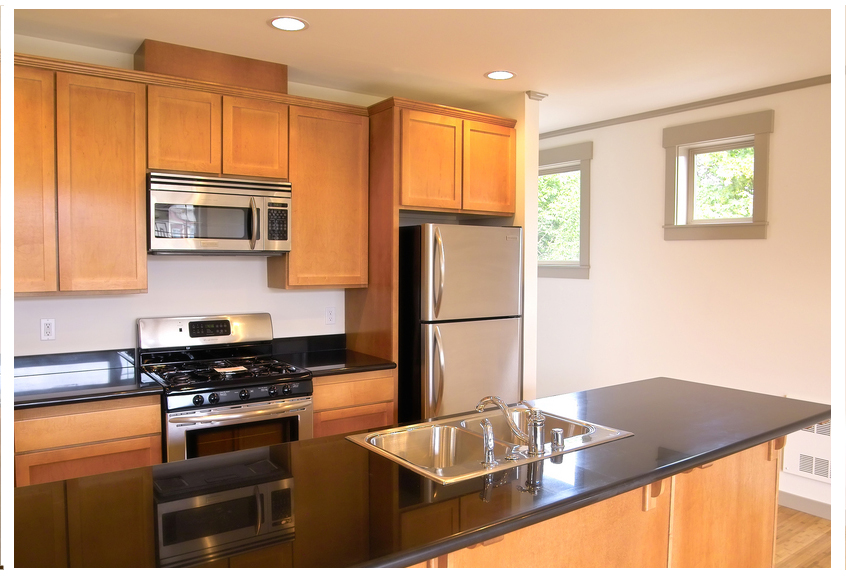
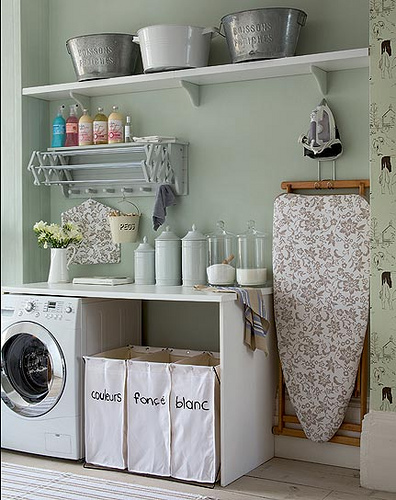
Once you know you're moving, you can begin packing your kitchen almost immediately. Start with your less-used serving dishes, seasonal items, and small appliances. Next, tackle your large serving bowls, tablecloths, and specialty pots and pans. Keep your everyday dishes for the last week before moving. You may even want to consider buying some disposable plates, cups, and utensils for those last few nights when everything is packed away.
Food Items
Use or dispose of all perishables before moving. You will also need to get rid of cleaning products and other kitchen chemicals. See our list of Items That Cannot Be Shipped. Boxed or canned goods should be packed in small boxes. Dispose of any open packages and wrap glass jars to prevent breakage during moving.
Don't risk moving food products during the summer. The inside of a moving van can reach 155 degrees.
China & Glassware
Wrap all pieces of china and glassware individually for moving. Using several sheets of clean paper, start from the corner, wrapping diagonally and continuously tucking in overlapping edges. A double layer of newsprint serves well as outer wrapping.
- A generous amount of paper padding and cushioning is required for all china and glassware.
- Label moving cartons with room, contents and "FRAGILE - THIS SIDE UP."
Flat China & Flat Glassware
Larger china and glass plates, platters and other flat pieces are excellent as the lowest layer in a dish pack.
- Place cushioning material in the bottom of a moving carton. Wrap each piece individually with clean paper, then wrap up to three in a bundle with a double layer of newsprint. Place these bundled items in the moving carton in a row on the edge.
- Surround each bundle with crushed paper, being careful to leave no voids or unfilled spaces. Add two or three inches of wadded paper on top of the bundle to protect rims and make a level base for the next tier. Horizontal cardboard dividers can be helpful in keeping layers level.
- Smaller plates, saucers and shallow bowls could make up a second layer. Wrap and pack in the same way as larger items.
You can make cardboard dividers to use between layers by cutting up small book cartons.
Bowls and Odd-shaped Items
Depending on their weight, these might be used for either the bottom or middle layers. Wrap the same way as flat plates.
- Stand shallow bowls (soup plates, etc.) on edge in the moving carton and deeper ones (such as mixing bowls) nested two or three together, upside down on their rims.
- Wrap sugar-bowl lids in newsprint, turning them upside down on top of bowls. Then wrap both together in newsprint, followed by a double outer layer. Wrap sugar bowls, cream pitchers, sauce containers, gravy boats, and similar pieces in newsprint and then a double outer wrapping. Place all upright in the moving carton, then top off the layer with wadded newsprint.
Pots & Pans
Pots, pans, and similar items should be wrapped and packed in medium-size moving cartons. Depending on their weight, these might be used for either the bottom or middle layers.
Cups
Even when using a dish pack and cellular dividers, wrap china cups individually first, protecting handles with an extra layer of clean paper. Then, pack cups upside down. If not using cellular dividers, wrap cups individually first in a double layer of paper and place them upside down on rims in a row on an upper layer with all handles facing the same direction. Top off the layer with wadded newsprint.
Silver & Flatware
To protect silver pieces from tarnishing during moving, they should be completely enclosed in newsprint or plastic wrap. Hollow ware -- including bowls, tea sets, and serving dishes -- should be wrapped carefully like fragile items and packed like china.
- Loose flatware may be wrapped individually or in sets, and in paper, clear plastic bags, or small gift boxes that are then secured with tape.
- Even if silverware is in a chest, consider wrapping the pieces individually and repositioning them in the chest. Or fill all voids in the chest with newsprint to prevent shifting while moving. The chest can be wrapped in a large bath towel.
Figurines and Other Delicate Items
Be sure the items are well protected with plenty of cushioning.
- Wrap first in tissue paper, paper towels, or facial tissue. Then wrap carefully in paper that has been wadded and flattened out.
- Small mirrors, plaques, and pictures should be wrapped individually in tissue paper with an outer layer of newsprint.
- A bath towel or small blanket makes an excellent outer wrapping and padding for glass. Place items on edge in a moving carton.
Small Appliances
Items such as clocks, small radios and other small appliances should be wrapped individually and packed in a moving carton cushioned with crushed paper.
 |
|
Pack your glass coffee pot, microwave carousel tray, and ceramic crock pot liner with your other glass/fragile items. |
|
- If their cords disconnect, wrap them in plastic and secure them to the appliance they belong to.
- Make sure cords are wrapped so as not to scratch or damage items while moving.
- Steam irons should be emptied of all water, wrapped and placed in the cushioned bottom of a box.
You can make cardboard dividers to use between layers by cutting up small book cartons.
Cookbooks
Pack cookbooks of the same general size together, in small book cartons.
- Pack books either flat, or with the spine touching the bottom of the carton. Do not pack with spine facing upward, as glue can break away from the binder.
- Expensively bound volumes or those of sentimental value should be individually wrapped before packing
Contact us before you call the 'rest',
then you can rest with the knowledge that you have used the BEST
Proud Movers of Brookgreen Gardens
American Masters Sculpture Collection
Email us: request@coastaltransfer.com
 <Click to see rating
Georgetown, SC 29585
843.546.4563