
843.546.4563
Dining Room - Preparing to Move
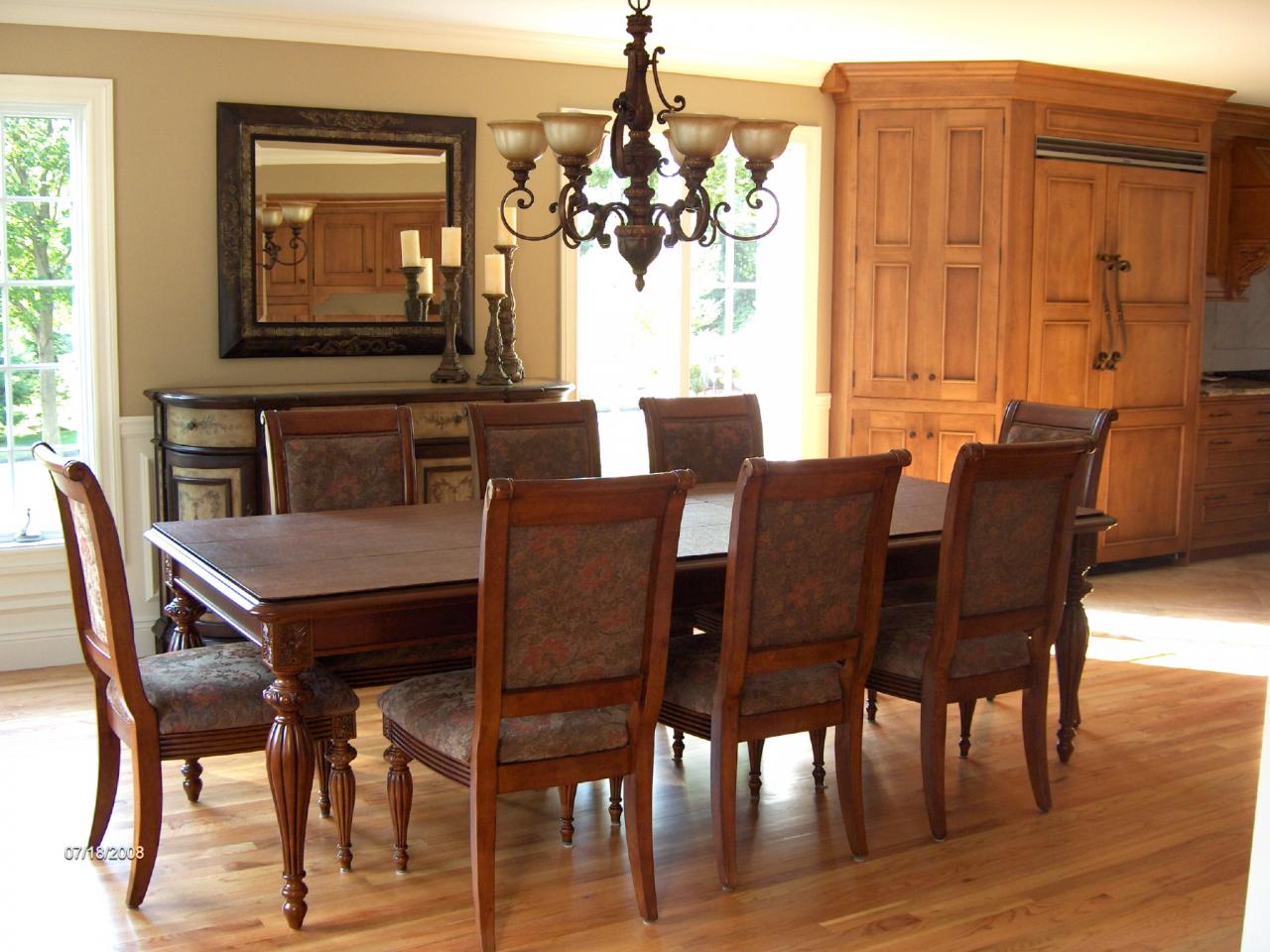
The dining room will generally include your most fragile china and crystal stemware. Moving professionals recommend that each item should be carefully wrapped in paper and placed in dish-pack moving cartons; cellular dividers are recommended for stemware. You will also want to include any items with values exceeding $100 per pound on your "High Value Inventory" form to receive proper valuation coverage. Click here to learn about protecting your belongings and valuables for the move.
China & Glassware
Wrap all pieces of china and glassware individually. Using several sheets of clean paper, start from the corner, wrapping diagonally and continuously tucking in overlapping edges.
- A generous amount of paper padding and cushioning is required for moving all china and glassware.
- A double layer of newsprint serves well as outer wrapping.
- Label moving cartons with room, contents, and "FRAGILE - THIS SIDE UP."
Flat China & Flat Glassware
Place cushioning material in the bottom of a moving carton. Wrap each piece individually with clean paper, then wrap up to three in a bundle with a double layer of newsprint. Place these bundled items in the moving carton in a row on edge.
 |
|
Plates, platters, and other flat serving pieces should be wrapped individually and loaded vertically on their edges to use their own maximum structural strength. |
|
- Larger china and glass plates, platters and other flat pieces are excellent as the lowest layer in a dish pack.
- Surround each bundle with crushed paper, being careful to leave no voids or unfilled spaces.
- Add two or three inches of wadded paper on top of the bundle to protect rims and make a level base for the next tier.
- Horizontal cardboard dividers can be helpful in keeping layers level.
- Smaller plates, saucers and shallow bowls could make up a second layer. Wrap and pack in the same way as larger items.
Cups
If not using cellular dividers, wrap cups individually first in a double layer of paper and place them upside down on rims in a row on an upper layer with all handles facing the same direction. Top off the layer with wadded newsprint. Even when using a dish pack and cellular dividers, wrap china cups individually first, protecting handles with an extra layer of clean paper. Then pack cups upside down. Now they’re ready for moving.
Silver & Flatware
To protect silver pieces from tarnishing while moving, they should be completely enclosed in newsprint or plastic wrap.
- Hollow ware -- including bowls, tea sets, and serving dishes -- should be wrapped carefully like fragile items and packed like china for moving.
- Loose flatware may be wrapped individually or in sets, and in paper, clear plastic, or small gift boxes that are then secured with tape.
- Even if silverware is in a chest, consider wrapping the pieces individually and repositioning them in the chest. Or fill all voids in the chest with newsprint to prevent shifting. The chest can be wrapped in a large bath towel.
Figurines, Curios and Other Delicate Items
Be sure the items are well-protected with plenty of cushioning for moving.
- Wrap first in tissue paper, paper towels, or facial tissue. Then wrap carefully in paper that has been wadded and flattened out.
- Small mirrors, plaques, and pictures should be wrapped individually in tissue paper with an outer layer of newsprint.
- A bath towel or small blanket makes an excellent outer wrapping and padding for glass.
- Place flat items on edge in a carton.
Very Fragile Items
Consult with your Relocation Consultant on the packing of exceptionally fragile items. Items with values exceeding $100 per pound need to be listed on your "High Value Inventory" form to receive proper valuation coverage. If an item is extremely valuable as well as delicate, it might be wise to have it packed for you. Special materials might be needed for maximum protection while moving.
Lamp Bases
After removing the light bulb and lamp harp (the frame that holds the bulb), wrap the base, harp, and bulb separately in newsprint. Place them together in a moving carton, filling voids with wadded paper.
Lamp Shades
Never wrap lamp shades in newspaper, as the ink will soil the shade. Instead, carefully wrap each shade in three or four sheets of tissue paper, a pillowcase or a large, light towel.
- Use a sturdy moving carton at least two inches bigger all around than the largest shade. Line it with clean paper, using crushed paper under the lampshade to create a protective layer, but not around the shade. A smaller shade may be nested inside a larger one, provided they do not touch. Only one silk shade should be placed in a carton to avoid stretching the silk.
- Do not pack other items with shades. Label moving cartons "LAMP SHADES - FRAGILE - TOP LOAD ONLY."
Chandeliers and Leaded Glass Shades
It is best to have your moving professional crate large glass lampshades or chandeliers.
Glass Table Tops, Marble Slabs, Large Mirrors, Paintings, Statues & Large Vases
It's best to consult with your Relocation Consultant about custom-made cartons and crates for items of this kind. Paper should never be permitted to touch the surface of an oil painting.
Table Leaves
Table leaves are best transported in paper pads, then taped to hold the padding in place while moving. (Note: never place tape on the surface of wood.) Don't use plastic wrap, as moisture may get trapped and damage the wood.
Draperies & Curtains
Wardrobe moving cartons are ideal for moving curtains and drapes. Fold them lengthwise, place over a padded hanger, pin securely, and hang in the wardrobe. Draperies and curtains also may be folded and packed in moving cartons lined with clean paper or plastic wrap.
Rugs
Leave area rugs on the floor for the moving company to handle.
- You may want to consider having your area rugs professionally cleaned before moving – you'll get them back from the cleaners wrapped, rolled and ready for shipping.
- Area rugs should be loaded last and unloaded first so the furniture coming off the van can go right on top of the rug.
Furniture
Your packing crew will shrink wrap large, upholstered items.
- Talk to your moving professional beforehand about any leather items.
- Table corners can be protected with cardboard.
- You may want to consider packing couch pillows in large boxes.
Contact us before you call the 'rest',
then you can rest with the knowledge that you have used the BEST
Proud Movers of Brookgreen Gardens
American Masters Sculpture Collection
Email us: request@coastaltransfer.com
 <Click to see rating
Georgetown, SC 29585
843.546.4563