
843.546.4563
Moving Appliances
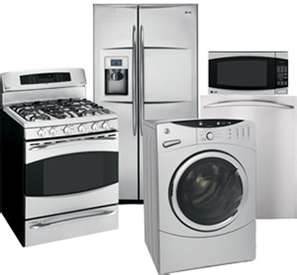
When preparing large appliances for moving, it is important that they be clean and dry to avoid the build up of mildew and mold. Grease left on a stovetop will catch dust and dirt in your shipment, and leave spots on anything it touches. Dry out refrigerators and freezers before moving, especially those with an icemaker.
 |
|
Remember to turn off or unplug any appliance before preparing, cleaning, or servicing. |
|
Dishwasher
 |
|
Protect your appliance from freezing by thoroughly draining and then wiping up any excess water. |
|
Clean and dry thoroughly. Disconnect and drain hoses. Leave the door open for a few days prior to moving. Wrap dry hoses in towels and packing paper and place inside the dishwasher.
Washing Machine
Clean and dry thoroughly. Disconnect and drain hoses.
- Wrap metal connector ends of hoses in a towel and place inside washer before moving.
- Secure the tub following the manufacturer's guidelines to prevent swaying. Note: If you don't have the manufacturer's guidelines, you can purchase a washer kit with a manual that provides instructions on how to secure the tub by tightening down the tub using screws. If you prefer not to do it yourself, there are many third party service providers.
- Upon arrival to your new home, have the washer installed by a qualified installer.
Clothes Dryer
Before cleaning, unplug or turn off the dryer from electrical power.
- Clean the lint screen.
- Prior to plugging in your electric dryer at your new residence, have your power supply checked for the correct electrical requirements.
- If you are moving a gas dryer, the appliance should be disconnected and the gas line capped off prior to moving by a qualified technician. The driver and the movers are not qualified to perform this service. You will need to make third party arrangements.
Stove Top/Range/Oven
Clean thoroughly. Detach all removable parts and pack safely in a box, clearly marked with the contents.
- If you are moving a gas range, it must be disconnected prior to moving by a qualified service technician. The gas line must be properly secured also.
- If you have an electric range, generally no servicing at your present residence is required.
- When arriving at your new residence with your gas range, you will need a qualified gas installer to check your gas supply, connect the gas line, seal any openings, light the pilot, and handle any other hook-up requirements.
|
|
There are products designed to keep your refrigerator clean, dry, and mildew free while moving; check at a hardware or grocery store. |
|

Refrigerator
Dispose of all perishables. See our List of Items That Cannot Be Shipped.
 |
|
At the destination, allow 24 hours before operating. This will allow time for the oil to settle, preventing damage to the compressor. |
|
- Unplug the power cord, wash all removable parts, and dry thoroughly.
- Allow the parts and the including the interior of the refrigerator and freezer, to dry thoroughly prior to moving to allow all moisture to evaporate.
- Pack all loose parts including bins and shelves in a secured, approved container for moving.
- Vacuum the condenser or compressor.
- Empty and clean the evaporator pan; allow time for it to dry.
- Before moving, turn off the water and disconnect the water line if you have a cold water dispenser or automatic icemaker.
|
|
Once your icemaker is in service, dispose of the first few batches of ice to clear out any impurities from the water line. |
|

- The water reservoir should also be emptied.
- If your refrigerator or freezer is an older model, you may have to have the compressor or motor bolted down while moving.
- Have icemaker and water dispenser connected to water line by a professional.
- Copper tubing, a shut off valve and fittings may be required.
Microwave Oven
Glass trays should be removed, wrapped, and securely packed in a moving carton.
The microwave can be placed in its original box, if available and still in good shape, or in a well-cushioned moving carton.
- If your microwave is large, ask your moving company if it can be pad-wrapped on moving day.
- Do not place cardboard in the door opening because it can spring the door during transit.
- Take care not to block the exhaust vent when installing it at your new home.
Contact us before you call the 'rest',
then you can rest with the knowledge that you have used the BEST
Proud Movers of Brookgreen Gardens
American Masters Sculpture Collection
Email us: request@coastaltransfer.com
 <Click to see rating
Georgetown, SC 29585
843.546.4563